
Most leaders know that positive feedback improves performance over time. Yet corrective feedback is far more common. The consequences of mistakes are easy to spot, but when someone does something right, silence often follows. Why?
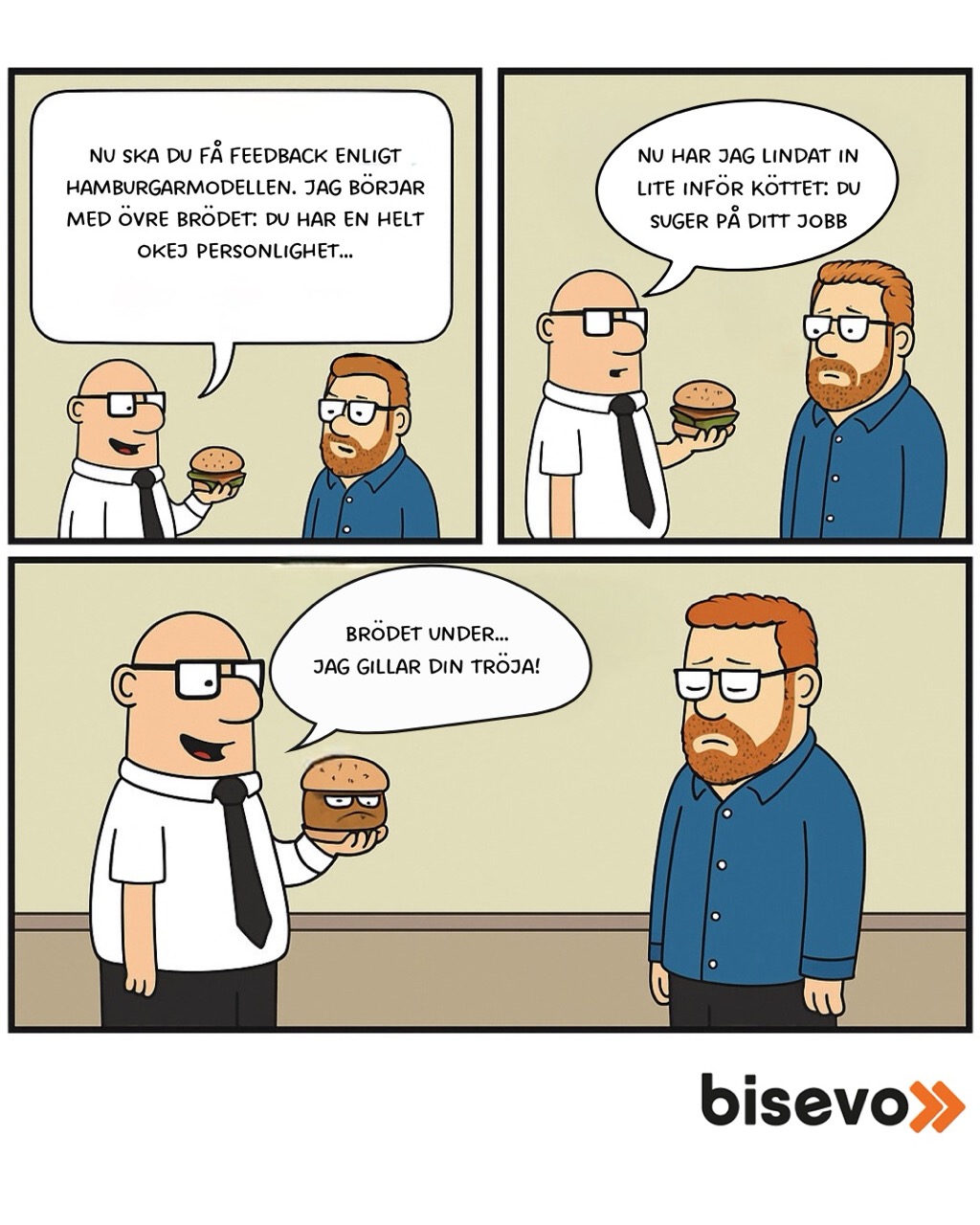
Organizational Behavior Management (OBM) explains it through a mechanism that is as simple as it is uncomfortable: the person giving corrective feedback experiences an immediate reward.
This creates a psychological gap. Correcting someone feels more powerful than recognizing good performance. Not because it is more effective, but because it provides a more immediate reward for the manager.
Many organizations fall into the same trap: leaders only feel valuable when they are visible, directing, and correcting.
During a workshop I recently attended, a manager asked:
“Why should I give positive feedback to an employee? He already tells everyone about the good things he has done. It feels like he is asking for praise. Besides, he is just doing his job.”
That final sentence says a lot about organizational culture. “Just doing his job.” Is that really all it is? What is the alternative when nobody else says anything? Silence?
When recognition becomes something employees are expected to ask for, the organization has already decided that silence is the default. Silence may motivate people for a while, but eventually it motivates them to find another employer.
The Core of Leadership
Leadership is not only about solving problems. It is about reinforcing what works, communicating direction and purpose, and shining a spotlight on employees who contribute.
It sounds simple. In reality, it takes courage to allow someone else to stand in the spotlight without feeling diminished yourself. Because deep down there may be a question few people want to admit: If I elevate you, what does that say about me? If I praise you, do I become less important?
The thought may sound childish, until you notice how many adult organizations are influenced by it.
What happens to a team that receives criticism for years but very little recognition?
Self perception affects performance. What starts as “I just want to avoid getting blamed” gradually becomes a way of working: play it safe, do not ask too many questions, avoid trying anything that might go wrong.
Some teams still perform, but without energy or creativity. They have learned how to survive. The day the organization needs courage, innovation, and new thinking, those qualities are nowhere to be found.
What happens in a team that receives frequent positive recognition, combined with clear and constructive feedback when needed?
The result is psychological safety.
People feel competent. They know it is okay to try, okay to fail, and that support will be available when needed.
In psychologically safe environments, innovation and new ideas flourish. Collaboration between individuals and departments becomes natural. People are not afraid to admit what they do not know. They can openly discuss and even laugh about their mistakes.
That is the difference between a manager who looks for errors and a leader who provides meaningful purpose. Teams that feel safe can handle far greater challenges than teams that are merely cautious.
For managers, the ideal scenario is beneficial as well. They are recognized for strong results, as long as they are willing to wait a little longer for the reward. At the heart of this issue is timing.
Immediate rewards are more powerful than delayed rewards. If we take OBM and behavioral science seriously, we must also be willing to acknowledge an uncomfortable truth: Sometimes leaders correct people because it feels good for them, not because it is best for the employee, the team, or the company.
So the real questions become:
• How do we make recognition more immediate and natural in everyday work?
• How do we build a culture where leaders feel valuable when someone else shines?
• How do we reward what works before it disappears into silence?
What are your experiences with this challenge? We would love to hear from leaders and employees who have faced it themselves.